
by J.M.C. Kane
There is a runway in the swamp. There are tents behind the runway. There are cages inside the tents. On the frame of one cage, someone has scratched the words: Soy humano.
There is a box in the yard. Ask the men what happens in the box. They will tell you it is three feet by three feet. They will tell you about the shackles at the wrists. The shackles at the ankles. The chain bolted to the ground. They will tell you about the heat of the sun. The hours. The insects that come and are not brushed away. Ask them why they were put there. One will say, I asked for water. One will say, I called for help when my cellmate stopped breathing. One will say, I asked. Inside the box, scratched into the metal just above the dirt, there are the words: Soy humano.
There is a woman in Miami who refreshes a screen. The database returns nothing. She has been refreshing for forty-one days. Ask her about her husband. She will tell you he came from Cuba when he was nineteen. She will tell you he went to a routine check-in in Miramar. She will tell you he has not been home since. She will tell you he calls and asks, ¿Qué hora es? ¿Qué día es? because the lights stay on all the time. She will tell you she does not know if he is still in the swamp. She will tell you she does not know if he is in the country. She will tell you the database returns nothing. On her desk, there is a piece of paper where she has written these words: Somos humanos.
There is a mother in Caracas who has stopped sleeping. Ask her about her son. She will tell you he left to build a life. She will tell you he worked in restaurants, in warehouses, in the backrooms of the American economy. She will tell you he was taken from a parking lot. She will tell you she has not heard his voice in sixty days. She will tell you she dreams of swamps, of alligators, of cages, though she has never seen any of these things. She will tell you su corazón es una sala de espera. She will say sus pulmones son una sala de espera. On the wall above her bed, she has taped a photograph. Beneath it, she has written these words: Somos humanos.
There is a runway where planes arrive at night. Ask the guards what happens on the planes. They will not tell you. Ask them where the planes go. They will not say. Ask them how many men have boarded. They will give you a number that changes each time. Behind the runway, there is a fence. On the fence, someone has tied a piece of cloth. On the cloth is written this: Soy humano.
There is an attorney general who named this place. He made a video. He scored it with hard rock music. He said, if they get out, there’s nothing waiting but alligators and pythons. He said, That’s why I call it Alligator Alcatraz. There are koozies for sale. There are hats. There is an AI-generated alligator with red eyes. Ask him about the box. He will say the reports are fabricated. Ask him about the hunger strike. He will say there is no hunger strike. Ask him about the men who have vanished from the database. He will say the database is accurate. Bring up the words scratched into the cages, written on cloth, whispered in the dark. He will not say them. He has never said them.
There is a people who lived on this land before the runways, before the tents, before the cages. The Miccosukee. Ask them what they see. They will tell you they have seen this before. The roundup. The removal. The long march into vanishing. They will tell you the land remembers. They will tell you the swamp has always been asked to hold what the country does not want to name. They will tell you.
On the wall of their council hall, there are no words. Words were taken from them long ago. They are still waiting for them to echo to the plains: ISS-tee-chahp-CHAH-yah-teess.
There is a man in a cage who has not spoken in six days. He is on hunger strike, though the government says there is no hunger strike. His stomach has folded in on itself. His lips are cracked. His eyes are open. Ask him what he wants. He will not answer. He has stopped asking. On the floor beside him, drawn in dust with one finger, there are the words: Soy humano.
There is a country that calls itself a light. A beacon. Ask the men in the cages what they see of the light inside the tent’s white-hot lung of air. They will tell you the lights never turn off, but they cannot see the sun. They will tell you the only beacon is the runway at night—the planes arriving and departing, the bodies they have stopped counting. Behind the country, there is this metal box. On the wall of the box, there is a word.
SOY
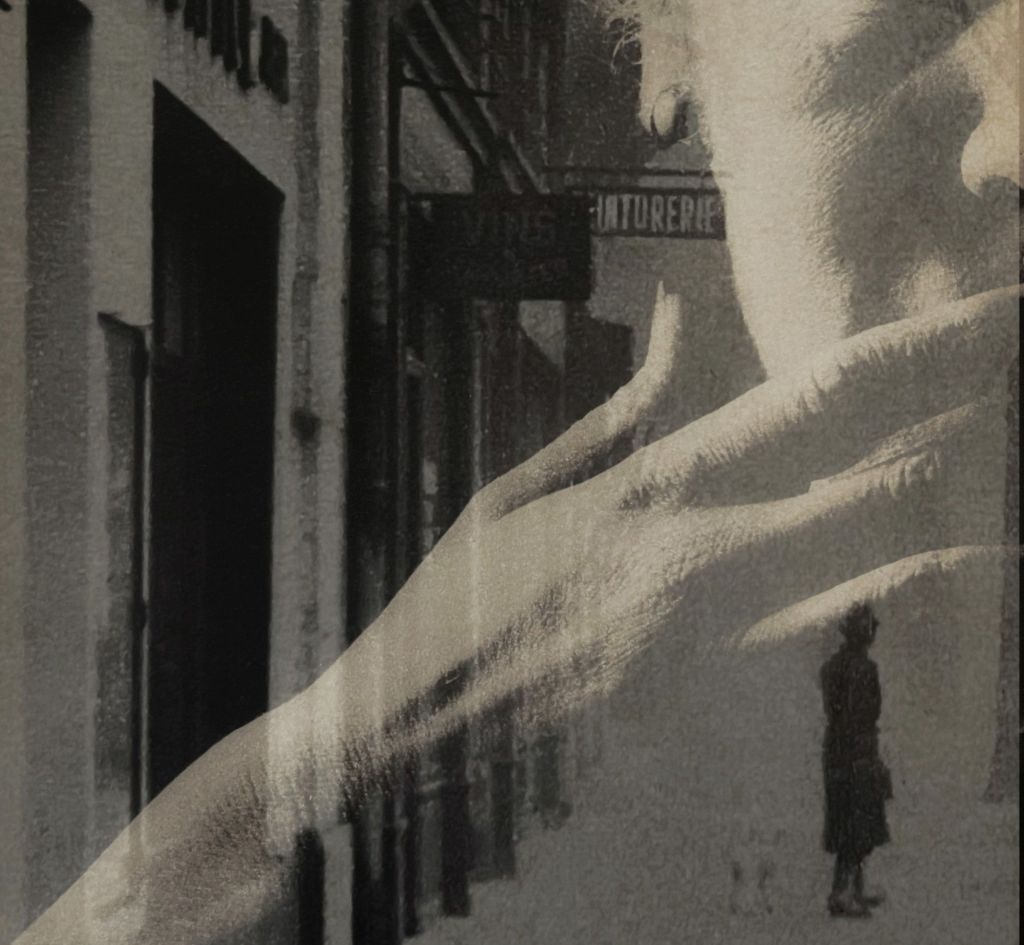
Shadow Diary of What is Left Unsaid
by J.C. Alfier
J.M.C. Kane is the author of Quiet Brilliance: What Employers Miss About Neurodivergent Talent—And How to Finally See It. He is an ASD-1 and writes from this learned experience. His prose work has been published in more than three dozen literary journals and magazines, including Plough, Vita Poetica Journal, Relief, and Ignatian Literary Magazine.
J.C. Alfier’s (they/them) artistic directions are informed by photo artists Toshiko Okanoue, Deborah Turbeville, Francesca Woodman, and Katrien De Blauwer. Their most recent poetry book, The Shadow Field, was published by Louisiana Literature Press (2020). Journal credits include Faultline, Fugue, Notre Dame Review, The Penn Review, River Styx, and Vassar Review.


